


Ask anyone who has organised a business event what they worried about most, and the menu will be near the top of the list. It has to suit the agenda, the budget and a guest list that might include vegans, halal diners, coeliacs and one very particular managing director. Getting London corporate catering right comes down to planning the menu properly, well before the day.
The good news is that it doesn’t need to be stressful. With a clear process and a caterer who knows the city, you can build a menu that feeds everyone well and keeps the event running smoothly. For wider context on what London offices expect now, have a look at our piece on trends shaping corporate catering in London.
Why Menu Planning Matters for London Business Events
London is not an easy place to feed a crowd. Venues often have small kitchens and short setup windows, traffic can delay deliveries, and guests are used to eating very well every day of the week.
- Guests compare your food with the excellent lunch spots near their office
- Guest lists are culturally diverse, so dietary needs vary widely
- Many venues only allow caterers a short window for setup
- A poor menu reflects on your company, not just the caterer
A well-planned menu solves most of these problems before they start.
Step-by-Step Guide to Planning Your Business Event Menu
Step 1: Start with the Event Type and Schedule
The format of your event should shape everything on the menu. Look at the agenda and mark every point where people will eat or drink.
- How long does the event run, and how many breaks are there?
- Will guests be seated, standing or moving between rooms?
- Is it a working session, a celebration or a client-facing event?
- What time of day does each meal fall?
Step 2: Get to Know Your Guests
A menu for twenty senior clients looks very different from one for two hundred staff at a summer party. Think about who is coming and what they’ll expect.
Visiting international clients may appreciate food with a clear sense of place. A young internal team might prefer relaxed street food over a formal three-course meal. Numbers matter too, since some dishes that work brilliantly for thirty people become tricky to serve quickly for three hundred.
Step 3: Plan Around Dietary Requirements
This is where many menus fall short. Collect dietary information when people RSVP, then build it into the main menu rather than tacking on a few separate plates. When every guest can eat from the same spread, nobody has to queue separately or explain themselves to the serving staff, and the event feels more welcoming as a result.
- Make the whole menu halal where possible, so no one is left out
- Include proper vegetarian and vegan main dishes
- Mark gluten-free, dairy-free and nut-free options clearly
- Label all 14 major allergens on every dish
Choosing a trusted halal caterer makes this far simpler. For the legal side, the Food Standards Agency allergen guidance sets out what food businesses must provide.
Step 4: Pick a Service Style That Fits
How food is served matters as much as what’s on the plate. A buffet suits a busy conference, while bowl food works better at a standing drinks reception.
- Buffet: flexible, quick and good for large numbers
- Bowl food: filling but easy to eat while mingling
- Live food stations: interactive and great for networking
- Plated dinner: formal and ideal for client events
- Boxed lunches: practical for meetings and training days
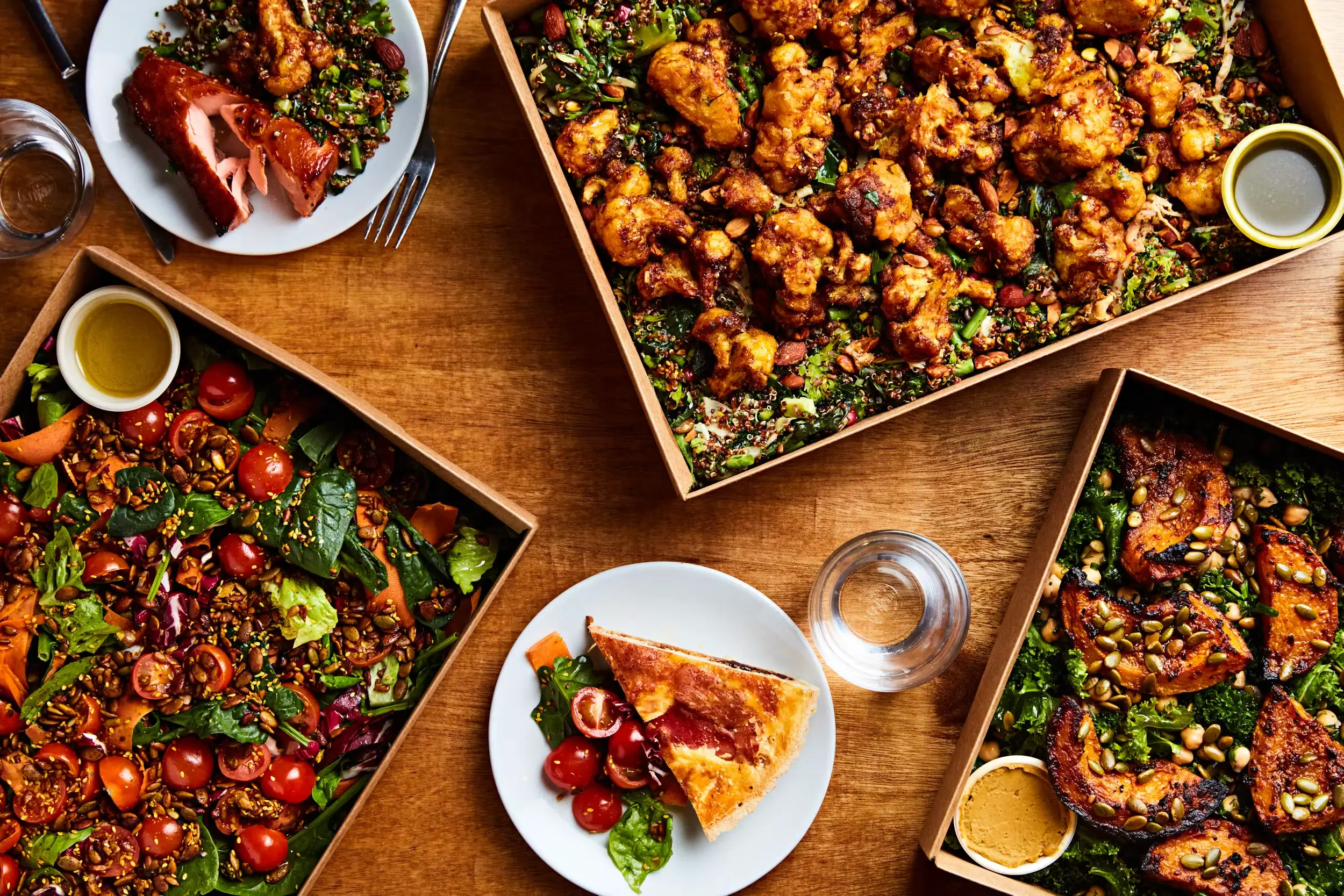
Step 5: Balance Flavour with Practicality
The tastiest dish in the world is no use if guests can’t eat it while holding a coffee and talking to a client. Think about how each item will actually be eaten.
- Avoid very saucy food at standing events
- Choose dishes that hold their heat and texture well
- Keep lunch lighter if people need to concentrate afterwards
- Mix bold flavours with a few simple, familiar options
South Asian food works especially well here. Kebabs, tikka, pakoras, biryani and fresh naan are full of flavour, travel well and suit most dietary needs with little adjustment.
Step 6: Don’t Forget Drinks and Refreshments
Drinks are easy to underplan. Running out of coffee mid-morning or offering nothing but wine at a reception is a small detail that guests notice.
- Allow two to three hot drinks per person across a morning session
- Offer decaf, herbal teas and plant-based milk
- Include fresh juices, lassi or mocktails for non-drinkers
- Keep still and sparkling water available all day
Step 7: Set a Realistic Budget
Your budget will shape the service style, the number of courses and how many staff you need. Be open with your caterer about it from the start.
A good caterer will suggest ways to make the budget stretch, such as putting money into hot main dishes and keeping extras simple. Ask for an itemised quote so you can see exactly where it’s going.
Step 8: Book a Tasting and Confirm Final Numbers
For larger or client-facing events, a tasting is well worth the time. It lets you check portion sizes, spice levels and presentation before anything is set in stone.
- Bring one or two colleagues so the feedback isn’t just your own taste
- Ask how each dish will look after an hour on a buffet
- Agree a deadline for final guest numbers and dietary changes
- Confirm timings for delivery, setup, service and clear-down in writing
Sample Menu Ideas by Business Event Type
Every event is different, but this table gives you a starting point. Use it to shape early conversations with your caterer, then adjust for your guests and budget.
| Event Type | Suggested Menu | Service Style | Good to Know |
|---|---|---|---|
| Breakfast meeting | Pastries, fruit, yoghurt pots, egg wraps, fresh coffee | Buffet or table service | Keep it light and quick to eat |
| Working lunch | Grilled chicken or paneer, rice, salads, fruit | Buffet or boxed lunches | Avoid heavy dishes before afternoon sessions |
| All-day conference | Breakfast, hot buffet lunch, afternoon snacks | Buffet with staffed stations | Stagger refreshments to avoid queues |
| Networking reception | Canapés, bowl food, chaat, mini desserts | Roaming service and live stations | Food must be easy to eat standing |
| Client dinner | Three courses with pre-selected mains | Plated table service | Take menu choices in advance |
| Summer staff party | BBQ grill, kebabs, salads, street food | Outdoor live grill | Always have a wet-weather plan |
For more formats and inspiration, see our round-up of popular catering options across London.
London Logistics to Plan Around
A great menu can still come undone if the practical side isn’t sorted. These are the London-specific details worth raising with your caterer early.
- Venue access times and loading bay rules
- Parking restrictions and congestion charge zones
- Kitchen facilities, or whether food must arrive ready to serve
- Lift access for equipment in office buildings
- Noise and finish-time limits for evening events
Our guide on what to check before booking a London caterer covers these points in more depth.
Choosing the Right London Corporate Catering Partner
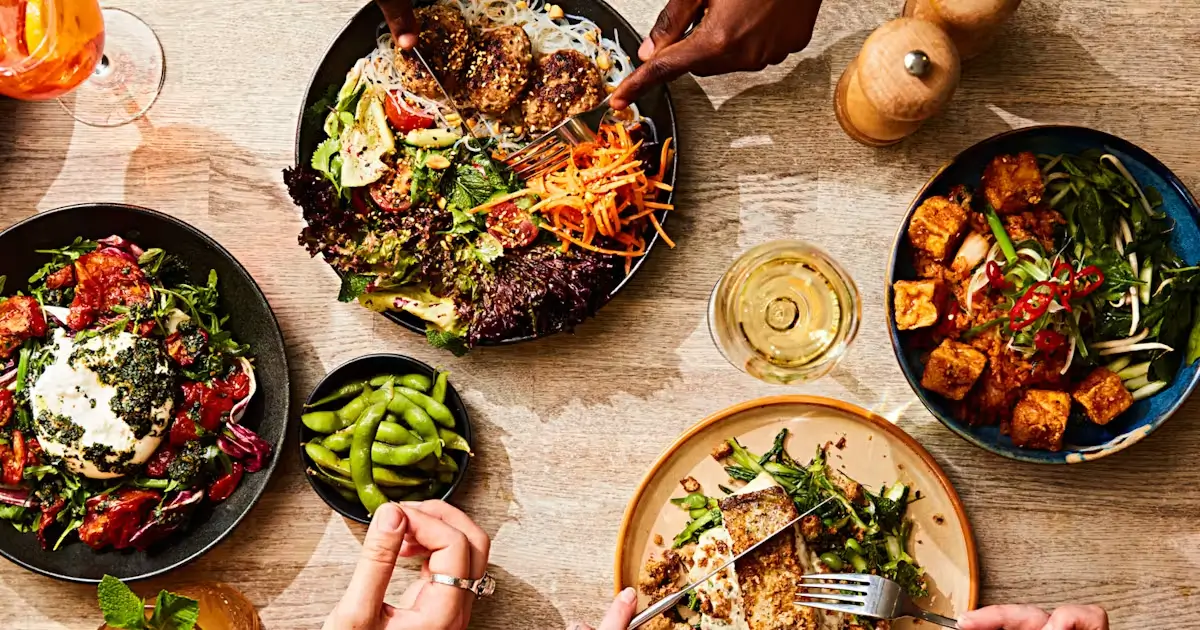
Your caterer will do most of the heavy lifting, so choose carefully. Before you book, check a few basics.
- A strong food hygiene rating, which you can check on the Food Hygiene Rating Scheme
- Public liability insurance
- Experience with corporate events of your size
- Willingness to offer a menu tasting
- Clear, itemised pricing with no hidden extras
If you’d like ideas for making a strong impression on the day, our post on catering ideas to impress clients and employees has plenty.
Common Menu Planning Mistakes to Avoid
Most catering problems at business events trace back to a handful of avoidable slips. Watch out for these:
- Ordering for the invite list rather than realistic attendance
- Treating vegetarian and halal guests as an afterthought
- Serving a heavy lunch right before a key presentation
- Leaving drinks for non-drinkers off the menu
- Changing numbers or dishes at the very last minute
Final Thoughts
Planning a business event menu is really about matching food to people and purpose. Start with the schedule, understand your guests, build dietary needs in from the beginning and choose a service style that fits the room.
London corporate catering has its own challenges, from tight venues to very high expectations. With the right caterer beside you, though, the menu can become one of the best parts of the day rather than the thing you worried about most.
Let’s Plan Your Next Business Event Menu Together
Taste of Lahore Events creates halal corporate menus for offices, conferences, client dinners and team celebrations across London. We also provide private event catering for milestones and after-work gatherings.
Send us your date, guest numbers and dietary needs, and we’ll suggest a menu that fits your event and your budget.
Get Your Free Menu Quote