

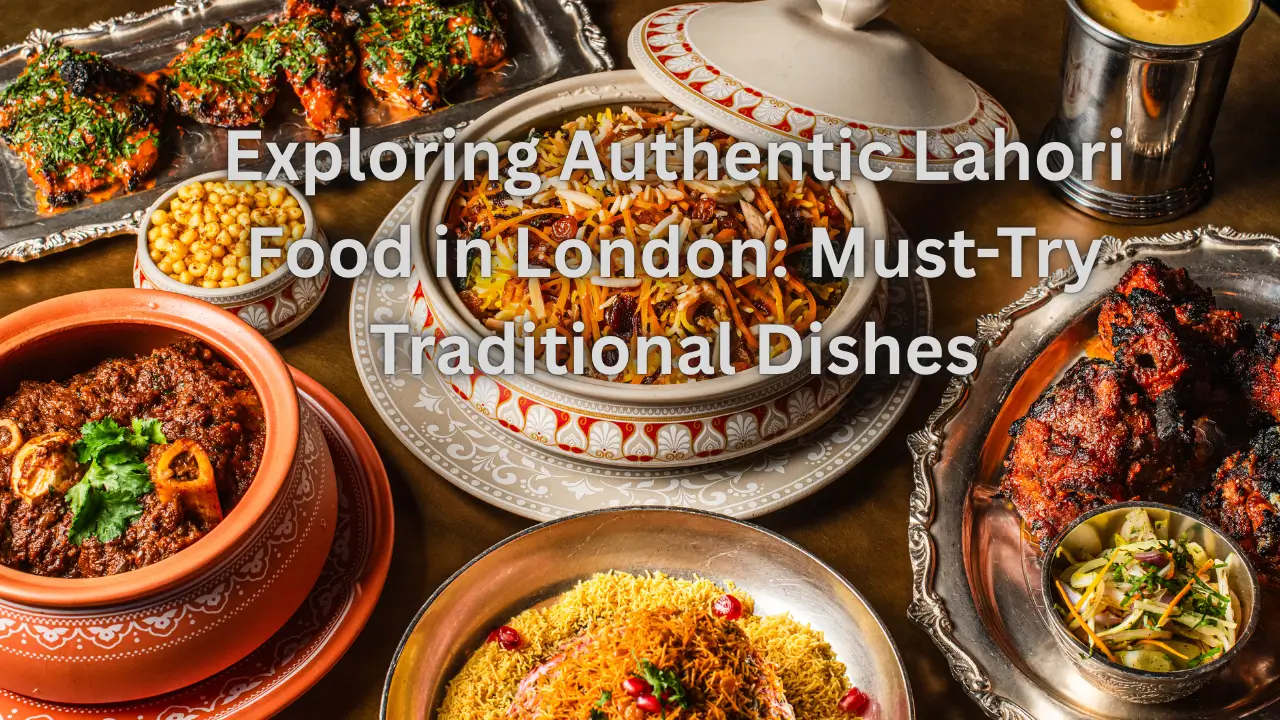
Ask anyone from Lahore what they miss most about home, and food comes up before almost anything else. Finding authentic Lahori food in London is not just about tracking down a curry that tastes vaguely familiar — it is about the specific spicing, the slow-cooked meats, and the street food habits that make Lahore’s food culture so distinct from the rest of Pakistan, let alone the rest of South Asia. This guide walks through the dishes worth seeking out, what makes Lahori cooking different, and how to bring that same flavour to your own event through our catering menu.
What Makes Lahori Food Different from Other Pakistani Cuisine
Pakistan’s food varies enormously by region, and Lahore has built its own reputation within that — heavier on ghee, generous with whole spices, and unapologetic about rich, slow-cooked flavour rather than anything quick or light.
- A stronger reliance on whole spices — black cardamom, cloves, bay leaf — rather than pre-mixed powders
- Meat cooked low and slow until it separates from the bone, rather than quickly seared
- A street food culture that treats breakfast, evening snacks and dessert as seriously as the main meal
- A generous hand with ghee and butter, which shows up in everything from parathas to karahi
Why Lahore’s Food Feels Different Even Within Punjab
Punjab as a whole shares a lot of common ground on food, but Lahore has carved out its own identity within that, shaped by its history as a food-obsessed city with a strong street food and royal cooking heritage side by side.
- A long tradition of food streets and markets, where entire lanes are dedicated to a single dish done well, rather than one restaurant trying to cover everything
- Mughal-era cooking influences that show up in richer, ghee-heavy dishes served at celebrations and weddings
- A strong culture of eating out, meaning restaurant standards for everyday dishes tend to be higher than in many other cities
- A genuine local pride in specific dishes — chargha, nihari, chaat — that residents will happily debate the best version of
Must-Try Traditional Lahori Dishes
A handful of dishes come up again and again on any proper Lahori menu. These are the ones worth ordering first.
- Lahori Chargha: a whole chicken marinated in yoghurt and spices, steamed, then deep-fried until the skin turns dark and crisp — a proper centrepiece dish for gatherings
- Nihari: slow-cooked beef or lamb shank stew, simmered overnight with warming spices until the meat falls apart, traditionally eaten for breakfast
- Chicken and Mutton Karahi: tomato-based curry cooked fast in a wok-like karahi with ginger, green chillies and coriander, finished with a squeeze of lemon
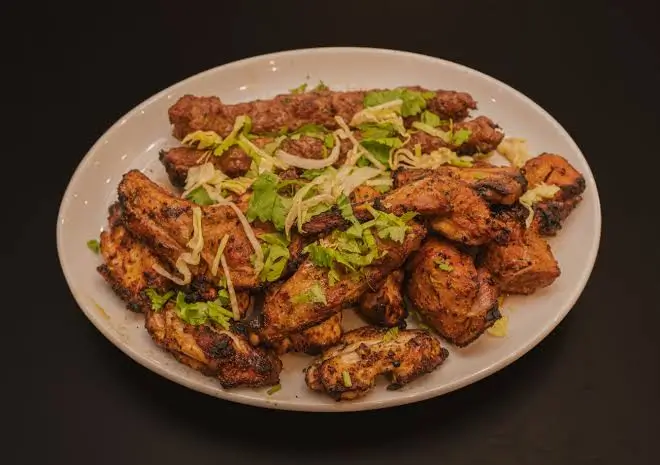
- Chapli Kebab: flattened, spiced minced meat patties fried until the edges crisp up, usually served with naan and a wedge of lemon
- Lahori Chaat: a tangy mix of chickpeas, potatoes, yoghurt and tamarind chutney — sharp, spiced, and served cold, usually as a snack rather than a main
- Biryani: layered rice with marinated meat, cooked together so the rice absorbs the spice from the meat rather than being flavoured separately
Breakfast and Dessert Traditions Worth Knowing
Lahori food culture does not stop at the main meal — breakfast and dessert both have their own strong traditions that are just as worth trying, and often say more about everyday Lahori life than the wedding-scale dishes do.
- Halwa Puri: deep-fried puffed bread served with spiced chickpea curry and semolina halwa, traditionally a weekend breakfast
- Lassi: a thick, chilled yoghurt drink, either sweet or salted, often served alongside heavier meals to balance the spice
- Gajar Halwa: grated carrot slow-cooked in milk, ghee and sugar until it thickens into a rich, warming dessert
- Kheer: a creamy rice pudding flavoured with cardamom and topped with nuts, common at celebrations and family gatherings
The Spices and Techniques Behind the Flavour
What separates genuinely authentic Lahori cooking from a generic curry is usually down to technique as much as ingredients — the same spice list can produce very different results depending on how and when it goes into the pot.
- Bhunofying — slow-frying spices and onions until the oil separates — builds the base flavour for most curries before any meat goes in
- Marinating meat for several hours, sometimes overnight, rather than cooking it straight away
- Layering spices in stages throughout cooking, rather than adding everything at once
- Finishing dishes with fresh coriander, green chillies and lemon juice to cut through the richness
Lahori Street Food vs Restaurant-Style Dining
Lahore’s food scene splits fairly clearly into two experiences, and both are worth understanding if you are trying to recreate them in London.
| Aspect | Street Food Style | Restaurant-Style Dining |
|---|---|---|
| Typical dishes | Chaat, golgappay, seekh kebab rolls | Karahi, biryani, chargha, nihari |
| Serving style | Small plates, eaten standing or quickly seated | Shared platters or plated courses |
| Best suited to | Casual gatherings, evening snacking | Sit-down meals, celebrations, formal events |
| Typical pace | Quick, cooked fresh to order | Longer cooking times, prepared in advance |
For most events in London, a restaurant-style spread works better logistically, while a few street food-style additions — a chaat station, for example — can add something guests do not usually get at a catered event.
What to Look for When Choosing a Lahori Caterer in London
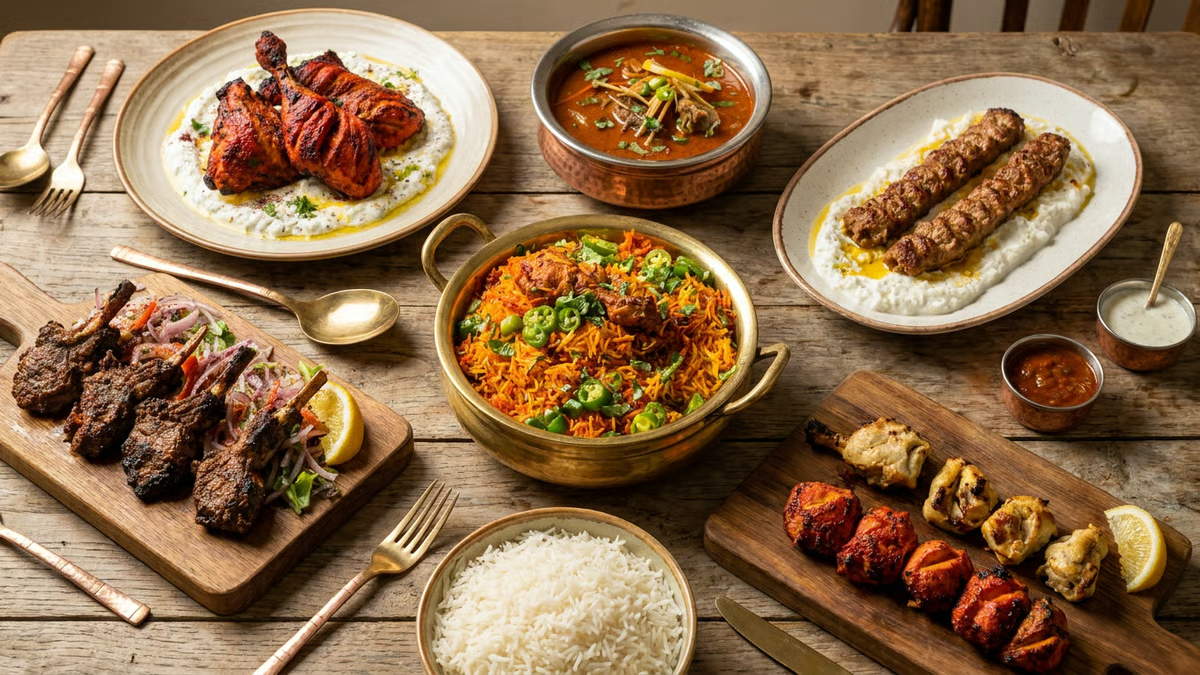
Plenty of menus in London describe themselves as Pakistani or South Asian, but genuinely Lahori cooking is more specific than that, and it is easy for a menu to borrow the name without doing the dishes justice. A few things separate the real thing from a general curry menu.
- Slow-cooked signature dishes like nihari and chargha actually on the menu, rather than a generic curry list
- Halal sourcing and preparation across the entire menu as standard, which our halal catering service follows throughout
- Allergen information provided clearly for every dish, in line with the Food Standards Agency’s allergen guidance for food businesses
- A willingness to talk through spice levels and regional dishes, rather than offering one fixed menu for every booking
Bringing Lahori Food to Your Own Event
Once you know which dishes you want, the next question is how to serve them well at a real event rather than just cooking a few at home for a smaller crowd. Format and guest numbers usually decide the answer more than the dishes themselves.
- Our Pakistani buffet catering is built around exactly this kind of traditional Lahori spread, served buffet-style for larger groups
- Weddings and private celebrations often want the fuller spread — chargha, karahi, biryani and dessert together — through our private event catering
- Family and community gatherings tend to favour sharing-style trays, which our family and community catering covers well
- Corporate events can still include a Lahori-inspired lunch box or buffet through our corporate catering service, scaled to suit an office setting
Frequently Asked Questions About Lahori Food in London
Is Lahori food always very spicy?
Not necessarily — dishes like nihari and karahi carry real depth of flavour from slow cooking and layered spices, but the heat level can usually be adjusted, especially for events with a wide range of guests and ages sitting at the same table.
What is the difference between Lahori and generic Pakistani catering?
Lahori catering leans on specific regional dishes — chargha, nihari, and particular spice techniques like bhunofying — rather than a broader, more generalised curry menu, so it is worth asking a caterer directly which dishes are genuinely Lahori rather than assuming the label covers it.
Can these dishes be served at a large event?
Yes, most traditional Lahori dishes hold up well in buffet-style service, particularly slow-cooked options like nihari and karahi, which are designed to be prepared well ahead of time and still taste right hours later.
Where does chapli kebab actually come from?
Chapli kebab has its roots further north, in the Peshawar region, but it has become a firm fixture on Lahori menus too, usually served alongside chargha and karahi rather than as a dish on its own.
Authentic Lahori food in London is out there, but it takes a bit of knowing what to look for — the right dishes, the right spicing, and a caterer who treats regional cooking as more than a label on a menu. Whether it is a chargha centrepiece for a family dinner, a chaat station for something more casual, or a full buffet of nihari, karahi and biryani for a wedding, getting the details right is what makes the difference between a decent curry night and something that genuinely tastes like Lahore.
Ready to Bring Authentic Lahori Flavours to Your Event?
Tell us your event type and guest numbers, and we will build a menu around the traditional Lahori dishes you actually want to serve.